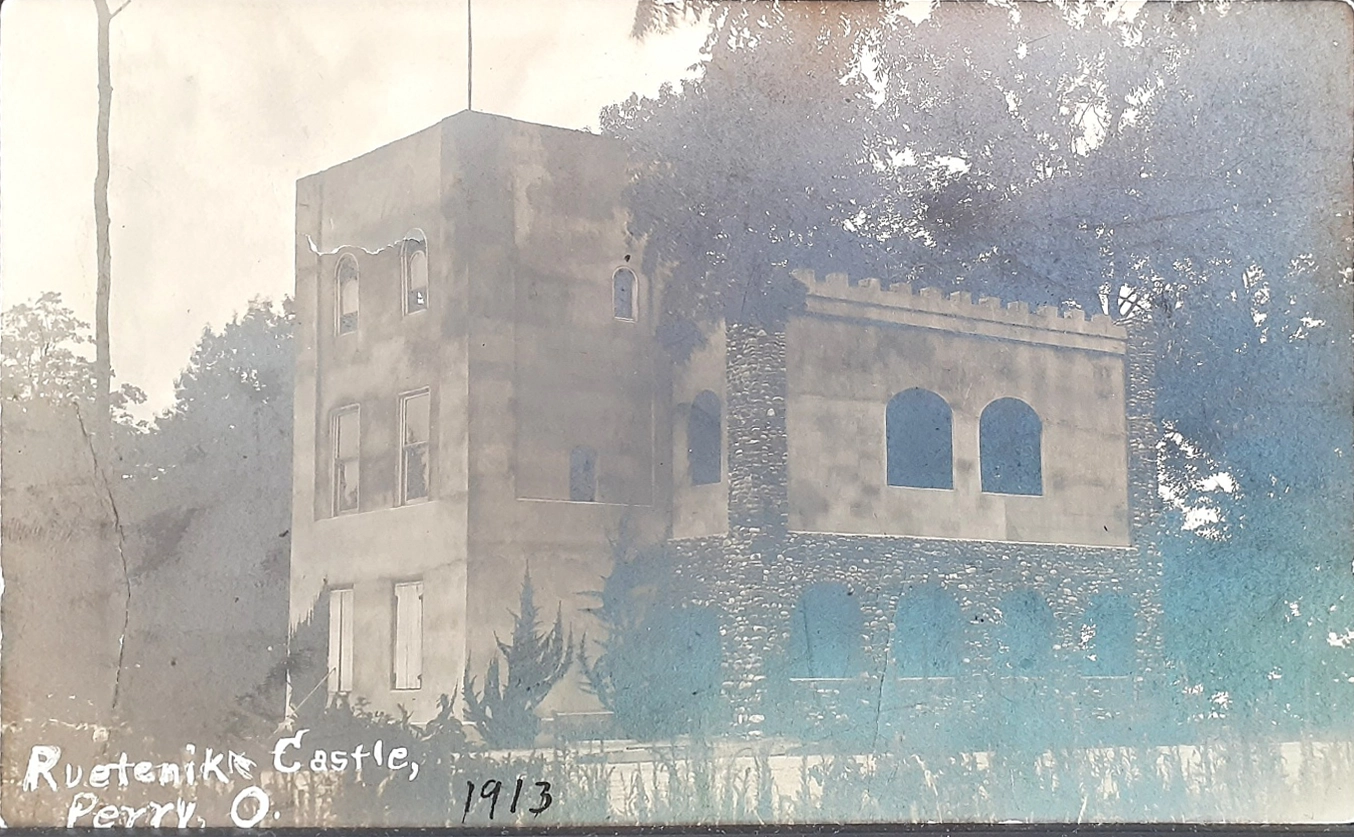
Once upon a time there stood a castle on the shores of Lake Erie. Really! The castle, known as Ruetenik Castle, stood on the northeast corner of Townline Road in what was then North Madison township – directly across the street from Perry township. Built around 1900, the castle stood watch over Lake Erie for over fifty years before finally giving way to erosion and falling into the lake.
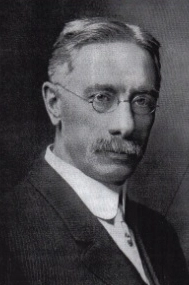
Gustavus Ruetenik was one of nine children of Herman and Amelia Ruetenik. Herman, a highly educated German immigrant, was a leader of the German Reformed Church in Cleveland. Gustavus (also known as Gustave) Ruetenik, born in 1857, and his wife Lillie (b. 1860), residents of Cleveland, purchased twenty acres along the Lake Erie shoreline in North Madison in the late 1800’s. Gustavus’ brother Otto owned lakefront property in Perry just east of Parmly Point, and together, the two families owned over 55 acres, separated by just a few miles.
Highly regarded as an educator, Professor Gustavus Ruetenik worked for Cleveland Public Schools both as a teacher and as a principal. He also held Professorships at Calvin College and Western Reserve University. Together he and Lillie had four sons and five daughters between 1884 and 1902, and they raised their family at their home in Cleveland. Around 1900 the couple decided to build a summer home on the North Madison property. According to family records, Gustavus, his older sons Bernard and Carl, members of an unnamed Massillon Negro Professional Football team, and a pair of mules hauled rock from the beach via a bucket-and-pulley system.
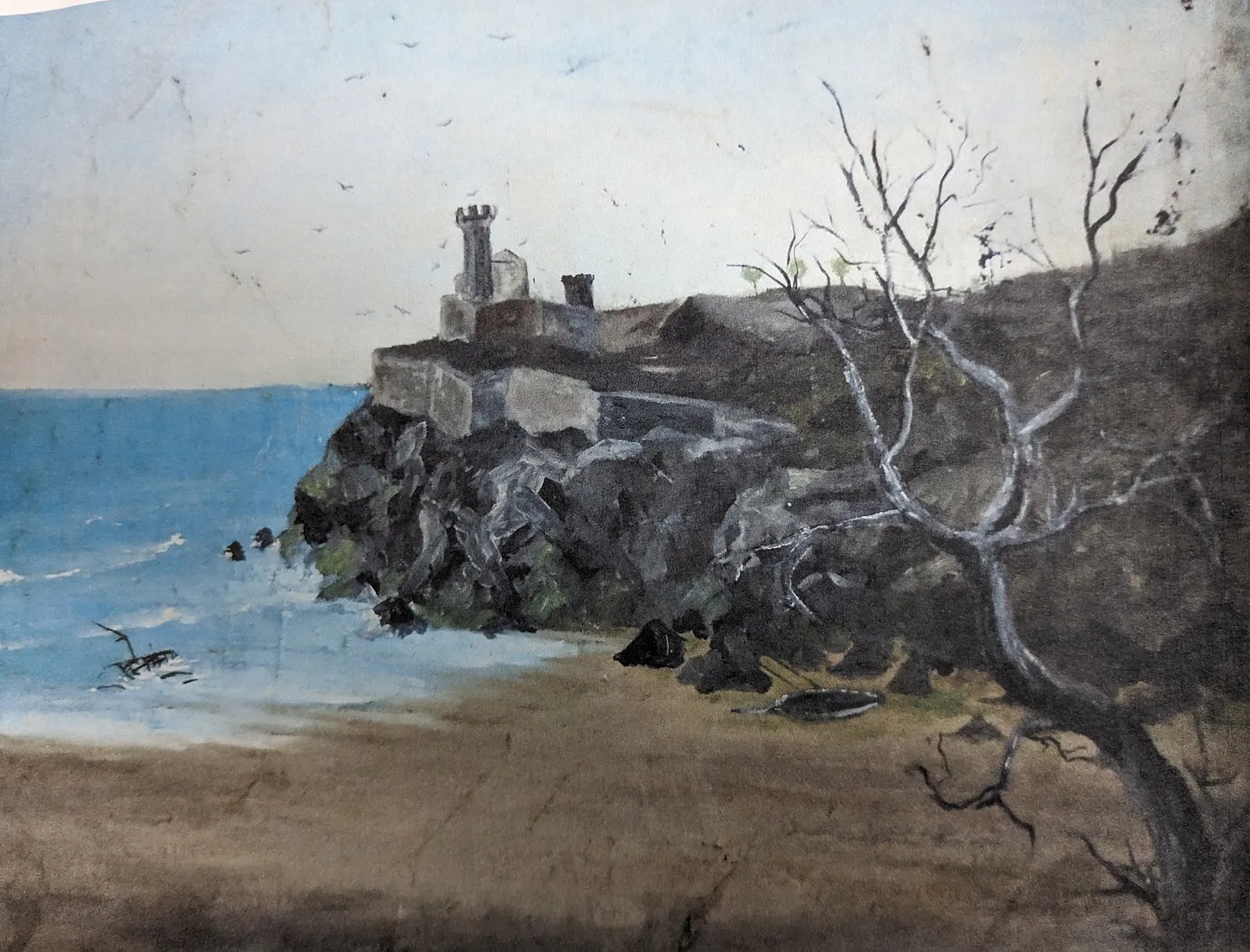
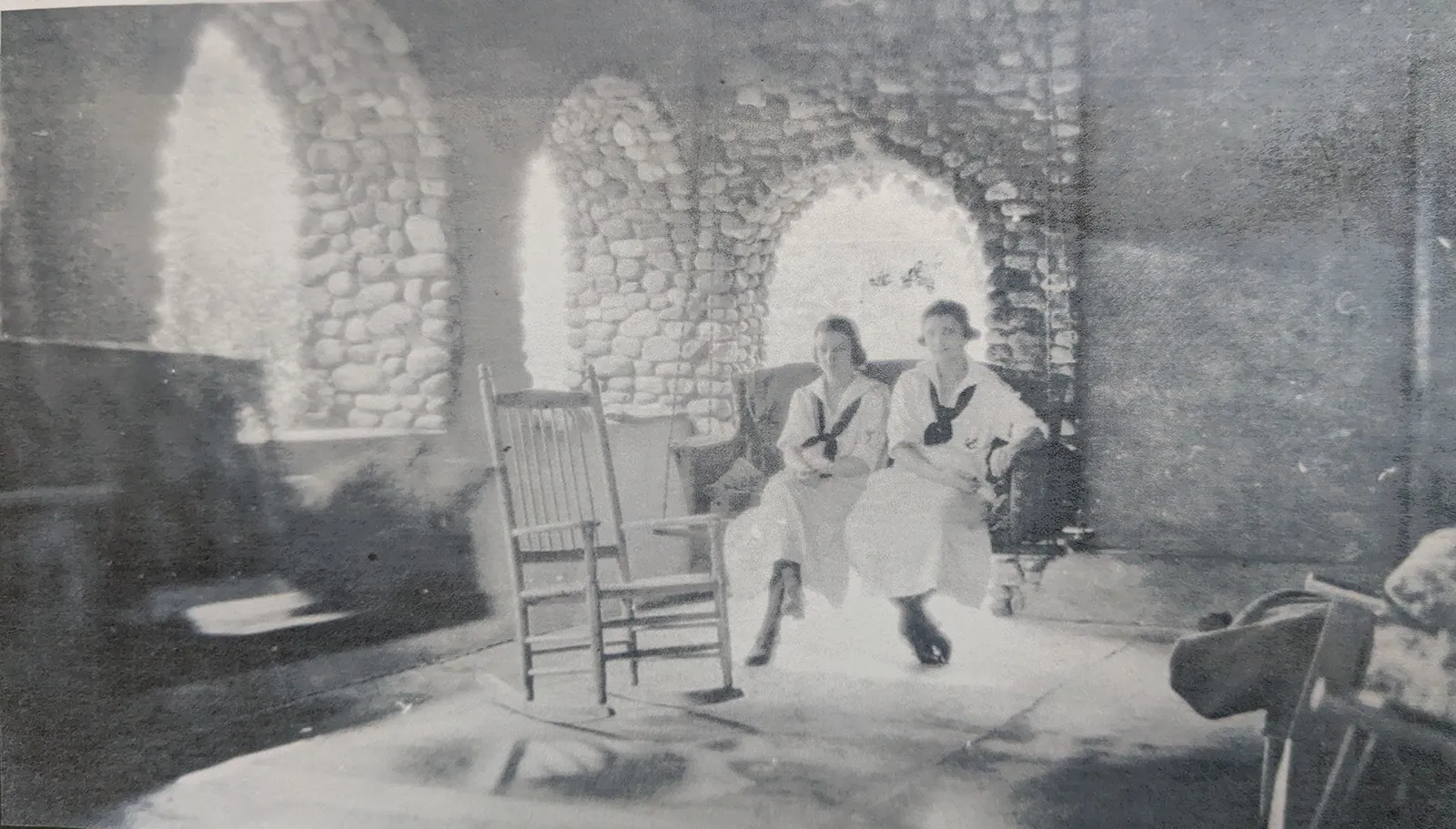
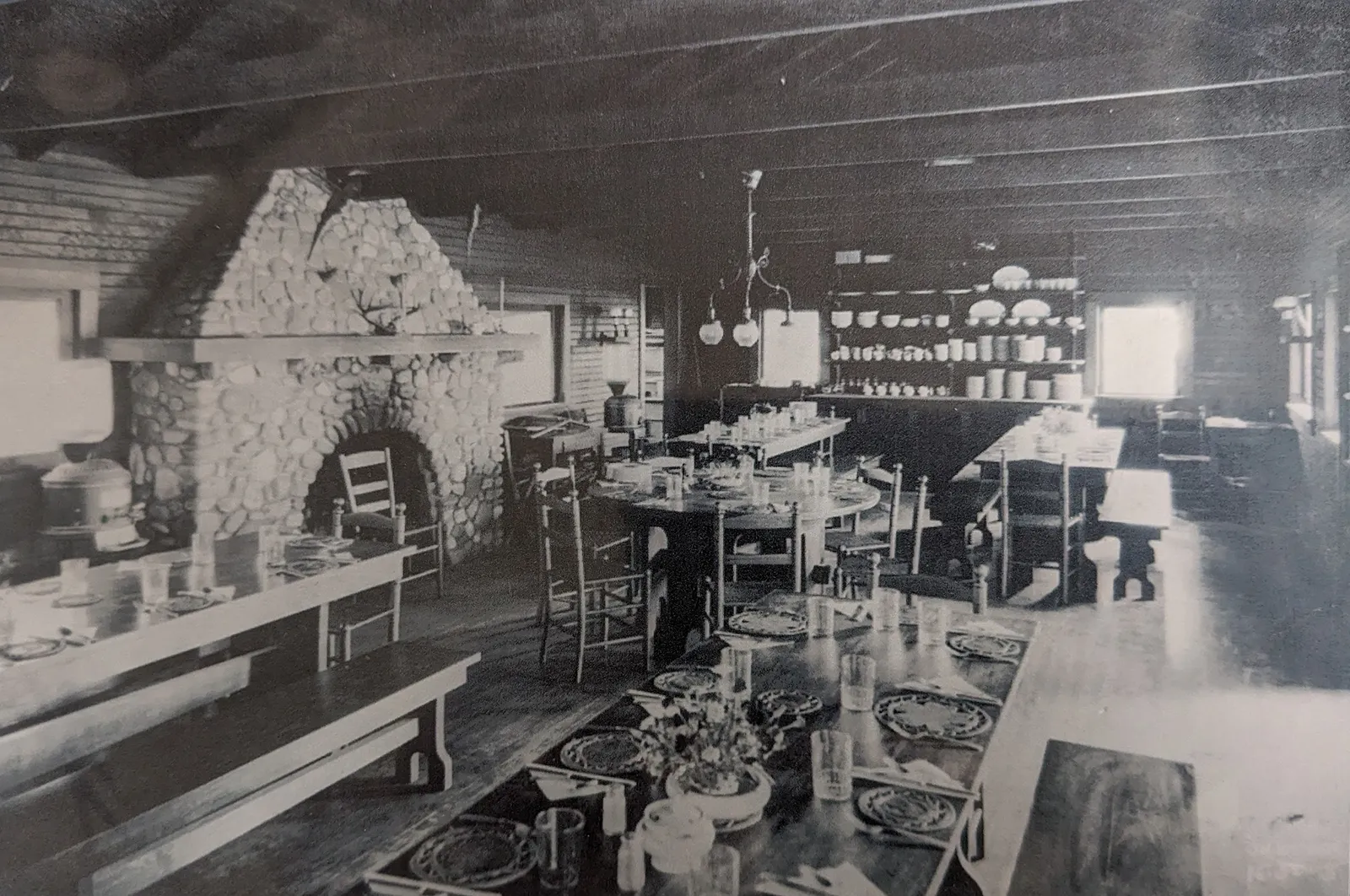
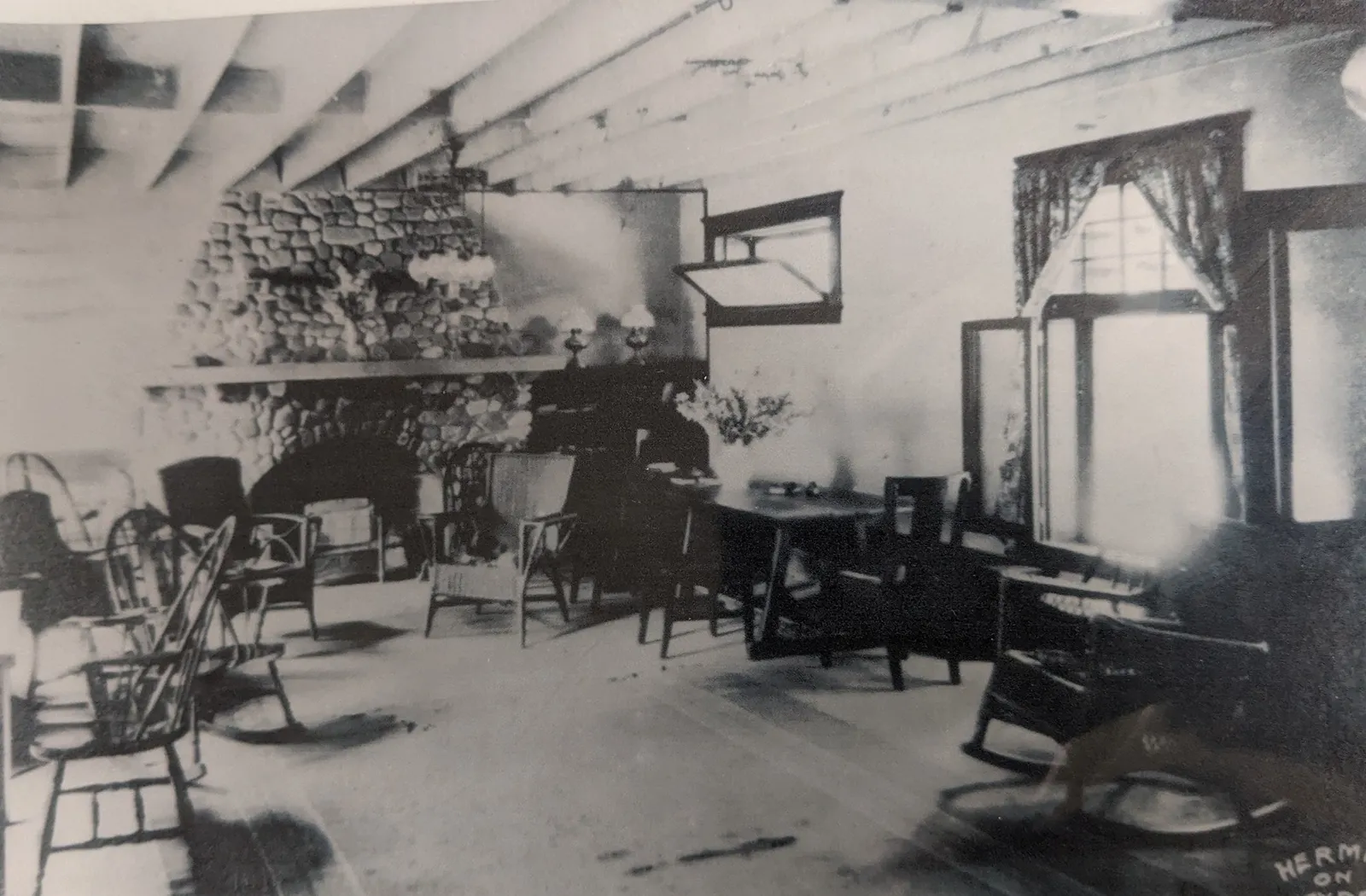
When completed, the castle had two stories and a three-story tower. It stood on a bluff approximately sixty feet high feet overlooking the lake. The rooms were filled with fine furniture and many of the windows had stained glass, according to a niece of Gustavus. The common rooms were large – plenty of room for Gustavus and his family to entertain his eight siblings and 35 nieces and nephews. The porch and bottom floors had the lake stones exposed, and the upper floors were primarily stucco and concrete, and had a Moorish-castle appearance. There were tennis courts between the castle and the banks of Lake Erie, and with twenty acres, lots of room to roam. Many parties and family reunions were held in the castle, and pictures of the kitchen and dining area show it could accommodate many people.
In early May 1906, two of Gustavus and Lillie’s boys, 18-year-old Carl and 15-year-old Julius were staying with family friends in Perry, due to a measles outbreak among their siblings in Cleveland. On May 5, the boys took a rowboat out into Lake Erie, which was seemingly calm. About a half mile from shore, the weather changed abruptly and a squall sprang up. The boys turned towards shore, frantically rowing and bailing water, and the boat overturned, throwing both into the water. They managed to right the boat and climb aboard. Carl suggested to his brother that he would swim to shore and get a bigger boat to save them both. Newspaper accounts say he partially stripped, then jumped into the stormy water. Carl had not gotten far when Julius, who was watching him, saw him sink under the waves. Carl never came back up.
Shortly afterwards, people onshore noticed Julius and the boat in distress, and two men brought Julius and the boat ashore. Julius told them of his brother’s attempt to swim to shore, and the Fairport Life Saving station was notified to begin the search. Carl’s body was recovered the next day. The newspaper account of his death noted ‘it is believed the shock of the cold water brought on cramps, for he was an excellent swimmer… and the distance was by no means beyond his strength.’ Principal Ruetenik (Gustavus) was notified by telephone of his son’s death, and the family was devastated by the news.
Gustavus and Lillie retained ownership of their Madison property and home until 1918, when it was sold to Charles Seiberling, one of the founders of Goodyear and Seiberling Rubber. Goodyear renamed it Camp Wingfoot, and used it as a camp for their employees. Later, the Canton YMCA purchased it and used it as a girl’s summer camp. According to Ruetenik family recollection, sometime after Mercer’s Point was built in Perry (a few thousand feet west of the castle), erosion began to eat at the bank where Ruetenik Castle stood. By 1956, the castle had succumbed to the elements and had completely tumbled into Lake Erie. In the ensuing years, the property changed hands several times, and by late 1994, a 79-acre parcel, including the original Gustavus Ruetenik acreage, was annexed by North Perry Village.
Submitted by Jesse Devin, Social Media Coordinator Madison Historical Society
The Madison Historical Society is a 501(c)3 corporation, and most donations have tax advantages. You can support MHS through making a donation, shopping with Amazon Smile, a tax-free IRA Contribution, or a gift of Stock.
To make a General donation, Memorial donation, or Capital Fund Drive donation to the Madison Historical Society, please complete the form below and make a payment via PayPal using your credit card or PayPal account. If you prefer to send a check, please make it payable to Madison Historical Society and send to PO Box 515, Madison, OH 44057.
Volunteers created the Madison Historical Society in 1978, and have been essential to the success of our organization! We are always looking for people to help with a variety of activities that keep the society running smoothly. Why not share your enthusiasm, creativity, and talent with us?