

Grape cultivation in Lake and Ashtabula Counties goes back to the early 1800’s, chiefly Concord grapes introduced by settlers from New York. Lake, Ashtabula, and Geauga Counties have a rich history of farming, and there was a special group of farmers primarily dedicated to viticulture and fruit orchards in the early nineteen-hundreds in our area. This group of Jewish farm families would play a significant role in the development of the thriving vineyard industry we have today.
Geneva Jewish Farmers was an association of Jewish farm families in Lake, Ashtabula, and Geauga Counties in the early twentieth century, who supported themselves primarily through viticulture and fruit orchards. Also known as the Lake Erie Jewish Community, they were part of the ‘back-to-the-land’ movement, supported by the Jewish Agricultural Society of America, chiefly financially backed by the Baron Maurice de Hirsch Fund. The fund provided low interest loans and counseling to Jewish families, to help those who wanted to get out of the cities and into the country. Many were European immigrants, fleeing persecution and poverty in Hungary, Poland, Lithuania and Russia.
The total number of families involved in the three-county movement is unclear. We have found a list of over thirty farms in Harpersfield township alone whose mortgages were financed by the Jewish Agricultural and Industrial Society from 1908 through 1931. In the Geneva/Harpersfield area, the names Gershenson, Golomb, Brody, Flock, Orkin, Silverman, and Cohodas were but a few of the many names new to the area to try to make a living by farming. Farm families could ride the Interurban to get to the Cuyahoga County suburbs, see friends and relatives, do some shopping, and be able to participate in Jewish cultural and religious events. Some heads of households farmed on weekends and commuted to Cleveland weekdays to work jobs there. Several farmers worked with Ohio State University to establish best practices and manage grape diseases and pest infestations. Many combined together to create a farm cooperative. As independent farmers, they were at the mercy of wineries, which could fix prices. Through the collective, they could store juice and sell it when prices were up. After Prohibition ended in 1933, some vineyard owners began to make ceremonial wines, and for a period, produced much of the kosher wines made in the country, according to one newspaper account. The children of the families attended local public schools and worked on their farms before and after school. There was a Rabbi Levine who would visit the Flock farm at Warner and LaFevre Roads in Harpersfield and act as shochet, or ritual slaughterer, for the families in the area. The city of Ashtabula had an established congregation, Tifereth Israel, which was available to the farming families to attend.
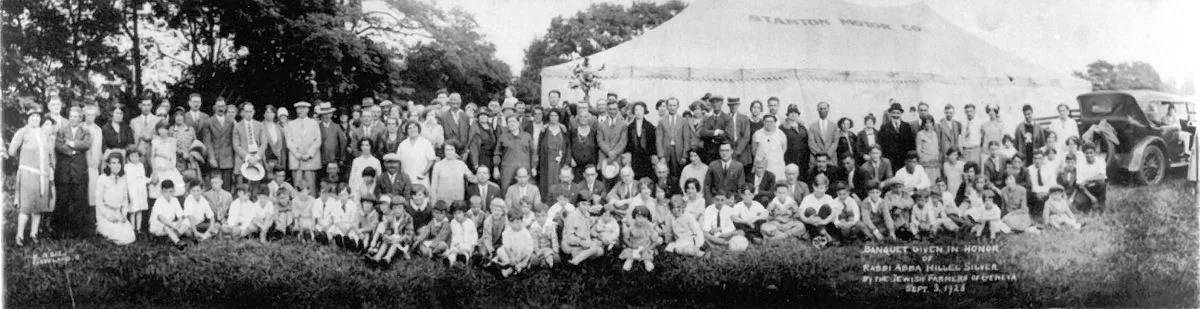
In the mid 1920’s, with the help of the Jewish Agricultural Society and the Cleveland Council of Jewish Women, the families were getting organized. The JFA of Geneva was ready to begin fundraising in hopes of establishing a community center, a synagogue, and a Jewish school, and held a banquet in the fall of 1927 to begin the fundraising effort. By January 1928 noted Cleveland Rabbi Abba Hillel Silver had raised over $500 from a group of prominent Cleveland Jewish leaders to help fund the hire of a Hebrew School teacher for the children of the Jewish farmer families. A picnic was held on Labor Day weekend 1928 at the Flock farm to continue the fundraising effort. Rabbi Silver was the honored guest, and two-hundred and fifty people, mostly members of the local Jewish community, were in attendance. A Geneva Free Press story on the event noted that Rabbi Silver donated $1000 towards the building of a school. By 1932 Rabbi Silver had managed to hire a part-time Hebrew teacher, who taught out of private homes in the Geneva area.
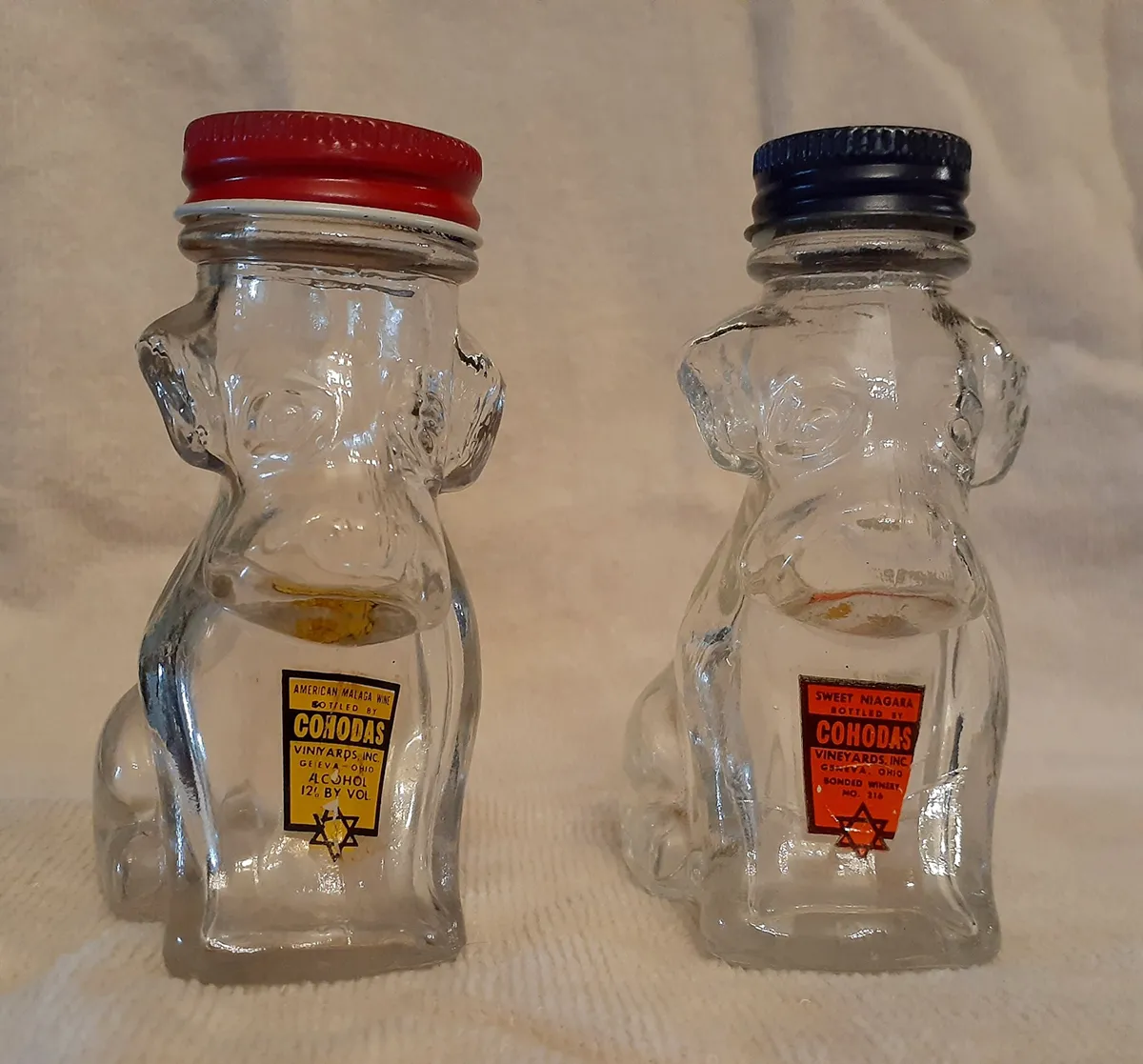
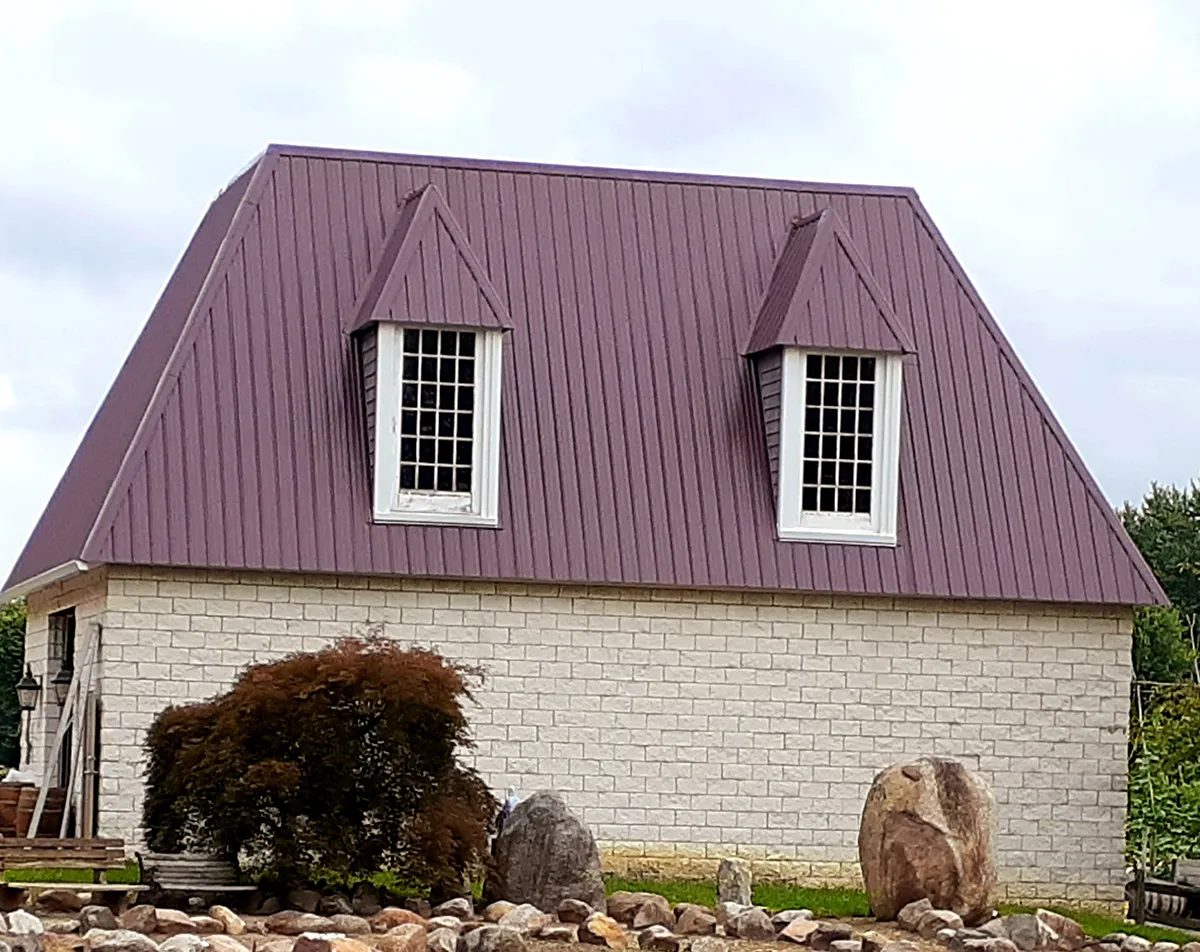
One of the most well-known vineyards/farms of the back-to-the-land movement is Cohodas Vineyards on County Line Road in Geneva Township. Immediately south of North Ridge Road, it’s today known as Regal Vineyards, a fall family entertainment destination. Morris Cohodas, a Lithuanian immigrant, and Bessie Pollock, a Russian immigrant, were both living in Harpersfield with their families when they wed in 1914. Morris was regarded as a major organizer of the back-to-the-land movement. Cohodas Winery is ‘on paper’ considered as having a start date of 1938, though they most certainly began the cultivation of grapes and selling grape juice under the name of County Line Winery much earlier. Morris and Bessie owned two farms in Geneva, cultivating initially Concord and later Catawba grapes. They were well known for their quality kosher wines.
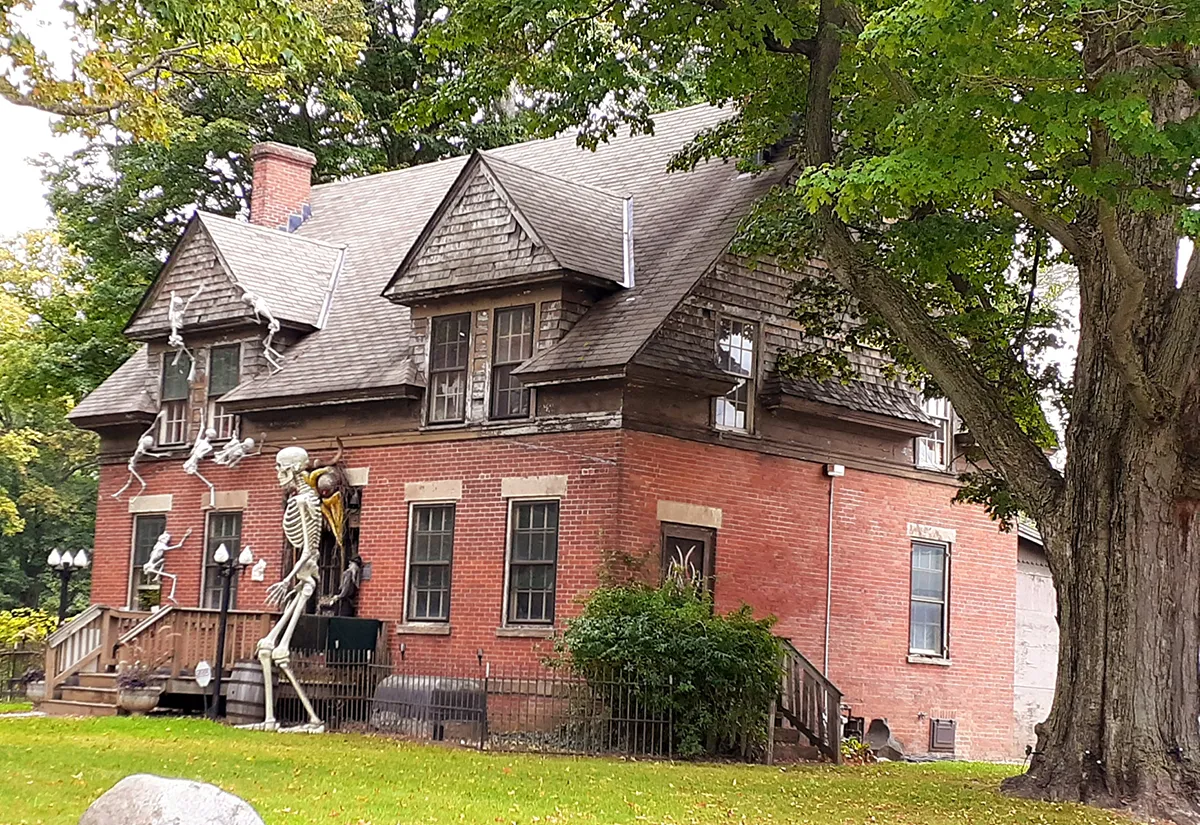
Morris and Bessie were the parents of seven children – Lillian, Joseph, George (died in childhood), Norman, Elinor, Alvin, and Helen. They were raised on the farm on County Line Road and graduated from Spencer High School. Like other farm youth, they had chores before and after school, which would vary dependent on time of year. According to census records, sons Joseph and Norman’s occupations were listed as ‘farmers’ after high school, while the rest of the family had no occupation listed. Regardless of what the census said, a family-run farm meant nobody was exempt from farm chores – running a vineyard and winery meant year-around work for all. Alvin and Norman both served in the Marines in WW II, Norman returning to the farm, Alvin going to college. Norman was one of the last Jewish farmers to leave Geneva, when he and his family moved to South Euclid in 1961. According to family history, Cohodas Vineyards continued to operate until 1980. The Cohodas family business was unique in that it was in in operation for such a lengthy period. The business was incorporated in the state of Ohio in 1947 and dissolved in 2012.
The back-to-the-land farm movement began to decline in the 1930’s. Although Prohibition ended with the passage of the 21st Amendment in 1933 and wine making could resume, the Great Depression had an impact on small farmers when grapes flooded the market and prices fell. The hoped-for community center, synagogue and school never materialized. Many of the Geneva Jewish Farmers were forced to find work in Cleveland and the suburbs to support their families. The Flock farm, which was purchased in 1917 and had several years of prosperity, was sold at a Sheriff’s sale in July of 1936. By the time World War II ended, the now-adult children of many of the founders were either returning from the military, going to college under the GI Bill, or relocating to urban areas for work. Some Jewish families stayed in the area, assuming roles in civic and economic life in Geneva, Madison, and Ashtabula.
The back-to-the-land social experiment did not achieve the desired outcome, yet it yielded unexpected positive outcomes. In one article, a Mrs. Orkin said growing up on a farm in Harpersfield “gave us tolerance and taught us great endurance. I think that your values are greater when you don’t associate everything with monetary… material things.” The lessons they learned in our area about the importance of community service made a permanent impact on them. They had formed a tight knit community, regardless of their level of education or social status. At one time, the Geneva Jewish Farmers association accounted for over 60% of the grape production in the area, so they laid the groundwork for industry that thrives here today.
Submitted by Jesse Devin, Social Media Coordinator Madison Historical Society

The Madison Historical Society is a 501(c)3 corporation, and most donations have tax advantages. You can support MHS through making a donation, shopping with Amazon Smile, a tax-free IRA Contribution, or a gift of Stock.
To make a General donation, Memorial donation, or Capital Fund Drive donation to the Madison Historical Society, please complete the form below and make a payment via PayPal using your credit card or PayPal account. If you prefer to send a check, please make it payable to Madison Historical Society and send to PO Box 515, Madison, OH 44057.
Volunteers created the Madison Historical Society in 1978, and have been essential to the success of our organization! We are always looking for people to help with a variety of activities that keep the society running smoothly. Why not share your enthusiasm, creativity, and talent with us?