

MHS came across an online book, edited by Joseph P. Hager, Ph.D. called “Pioneer Sketches of Madison Township, Lake County, Ohio.” Published in 2005, Hager edited and transcribed manuscripts found in the Western Reserve Historical Society’s Library, focusing primarily on the texts written by six early settlers. Those settlers are Joel Blakeslee, Abraham and Electra Tappan, Asa S. Turney, Cyrus Cunningham, and Laura Mixer Whipple. Hager’s work provides a broad look at the area before pioneer settlement, up through the mid 1800’s. As Editor, Hager focused on changing spelling and grammar, and did not attempt to correct potential errors of historical fact. He chose to keep the stories as close to the original, while making it more ‘readable’ today. Today we to focus on the dangerous wildlife the settlers had to deal with.
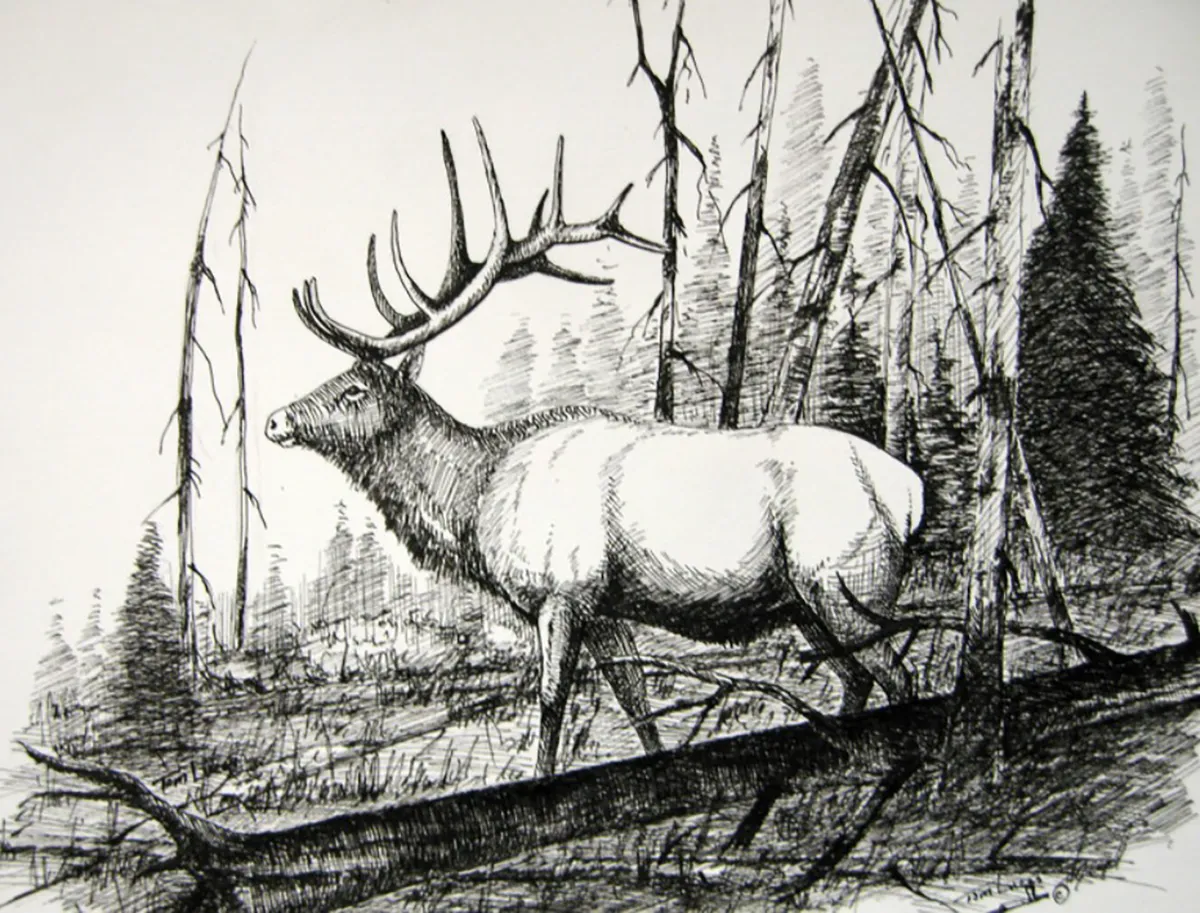
In the very early 1800’s when Madison was still tiny Chapintown (later Centerville, then Madison) and Unionville was a slightly larger settlement, there was a great variety of wildlife. The land was densely forested, covered with a heavy growth of whitewood, chestnut, oak, black walnut, butternut, maple, beech, and a sprinkling of other timbers, like mulberry and plumbush. There were areas thick with hemlock and fir trees, and the entire forest provided abundant cover and food for wildlife. The forests were populated by panthers and mountain cats, which were seldom seen, but often heard. Elk were seen in numerous gangs, sometimes 60 or 80 in one herd. White tail deer were plentiful, seen bounding from ridge to ridge. Wolves, bears, wildcats, swarms of squirrels, raccoons, foxes, porcupines, opossums, and a long catalog of small animals inhabited Madison. Vast flocks of wild turkeys, various species of ducks, and numerous varieties of birds filled the fields and forests.
From Joel Blakeslee:
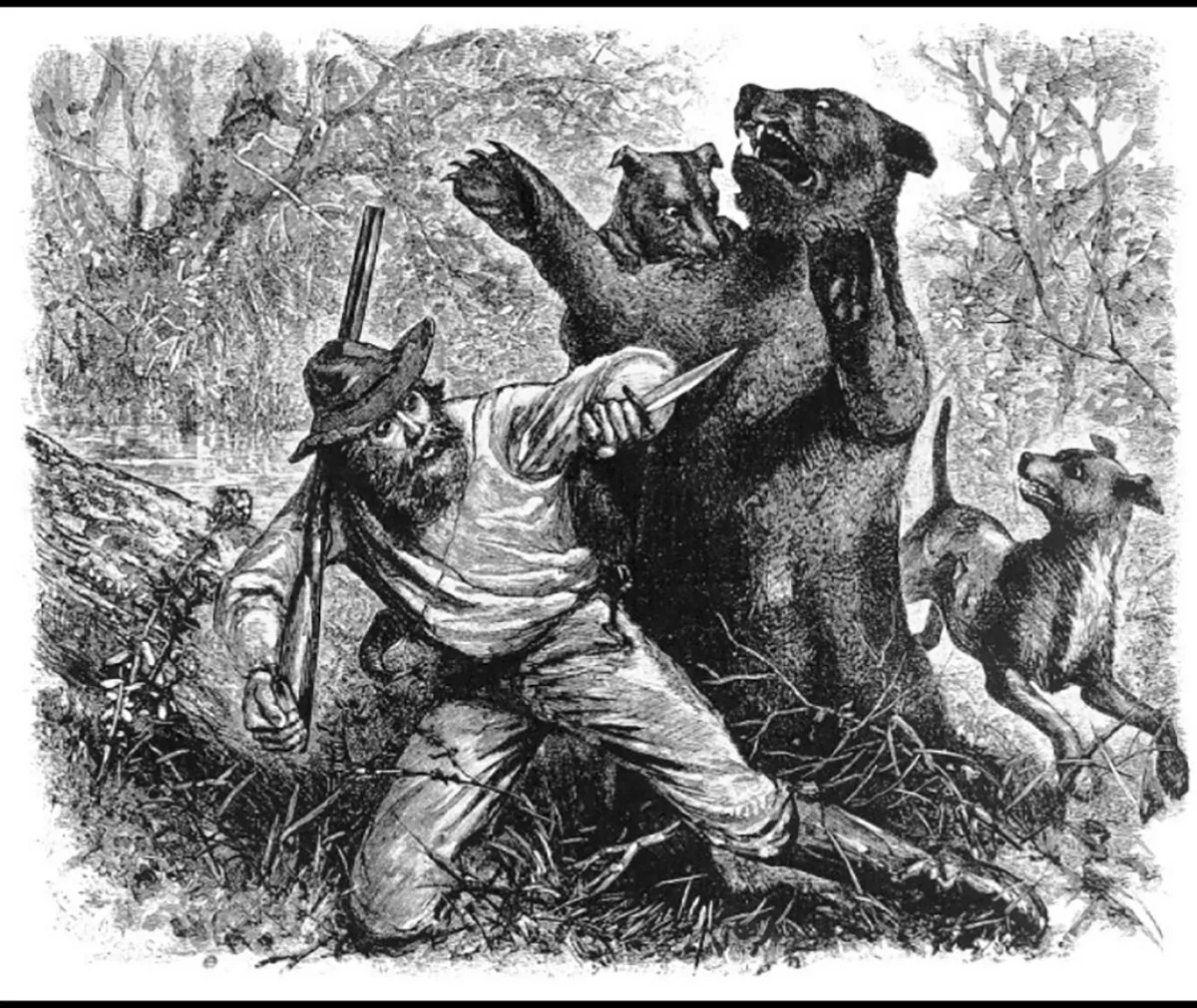
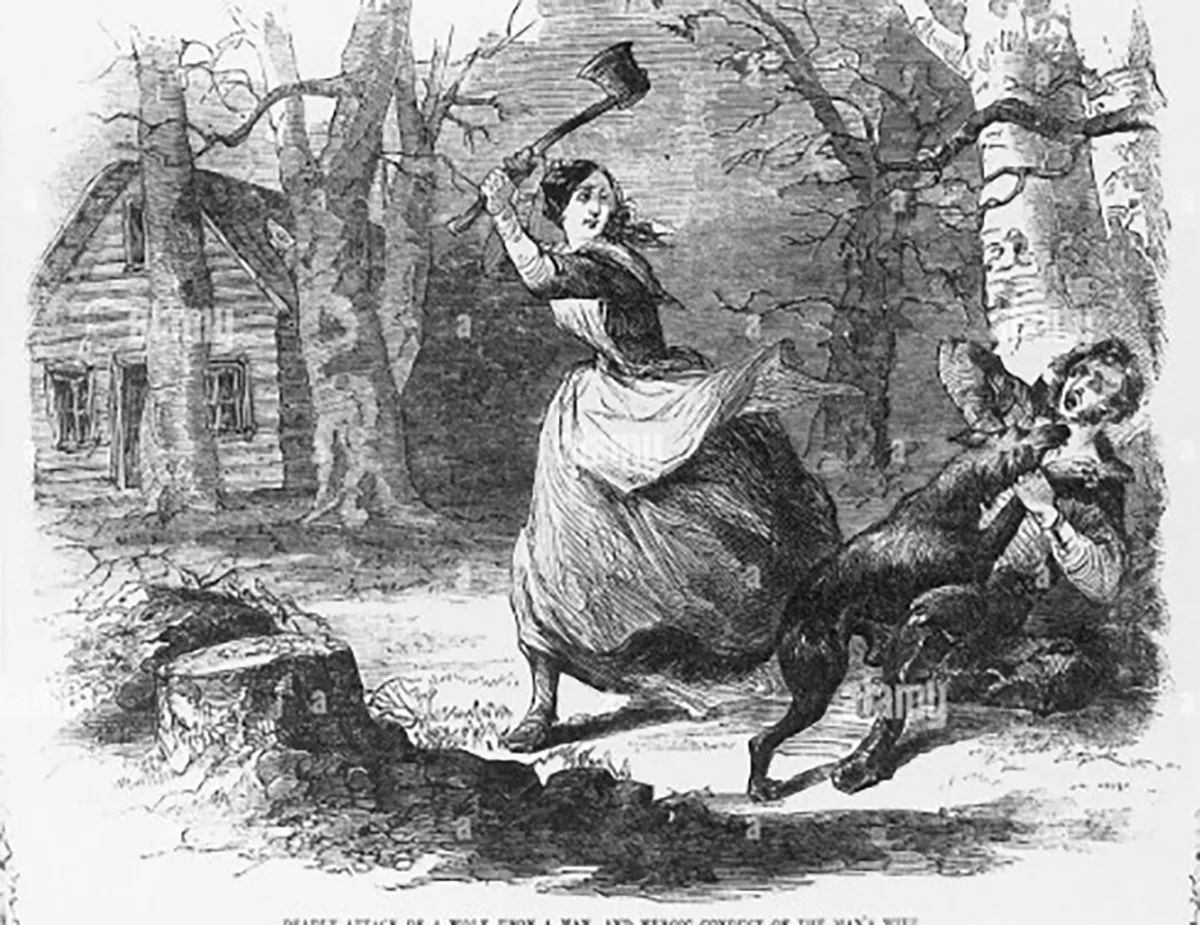
There were many wild animals that threatened people and their domestic stock. Pioneers were especially frightened by wolves, which prowled in packs, were sometimes clever and fearless, and howled in a very disconcerting nightly ritual. Rattle snakes and bears also played upon the potential settler’s anxieties, and rightly so. Mr. James Miller was one of the noted hunters of Madison in early days. He yet tells as good a bear, wolf, or elk story, just as the hearer chooses. “William Miller, from Coleraine, Massachusetts, arrived in Madison in February, 1807. He was accompanied by his son James. They selected one hundred acres of land on the southridge, west of Madison village. The Millers erected a log house of goodly proportions. Here the father and son lived the life of bachelors, kept tavern, and cleared the farm. We will give one bear story as related by Mr. Miller.
In the autumn of 1808, Miller and his father started off with their rifles and nine month old pup in search of his horse running in the woods with bells on, which was a very important appendage in the wild forest in these days. They had not traveled far, when they heard a most tremendous outcry of a gang of seven dogs in full chase of a huge longlegged, longsided black bear. Mr. Miller’s pup joined in concert with the older dogs. The bear soon came in sight with the whole gang of dogs, some hanging on one side, some on the other, and some chasing behind. Mr. Miller perceived that the caravan was coming directly toward him and drew up his rifle to give bruin a salute; but whenever he took aim he found a dog between him and the bear, and to shoot a dog would be not the worst of crimes, but is a loss to community. The men gave chase. Two men with loaded rifles, one old bear, and eight dogs were now running a race. Yelling and snarling, screaming and barking, they made southwesterly about two miles to Grand River. The bear and dogs would outrun the men on a steady pull, but the bear would often attempt to go up a tree. Then the dogs would besiege her latter and so closely that she would let go the tree and go ahead, they maneuvering until she arrived at the north bank of Grand River, when she made a headlong plunge. All this time, Messrs. Miller were following, endeavoring to get a shot at the black woolly creature, but the dogs shielded the bear. Bruin was so far safe, as no shot could be made at the bear without endangering the life of one or more dogs. Making a plunge down the bank, the bear struck land about 20 feet below. Some of the dogs pitched off non-stop until they reached the bottom near the river. The bear ran along side the steep washes down the river. The gang of dogs divided into two divisions, one part below the bear, the remainder above, recommenced the race, and continued it about ½ or ¾ mile, when the bruin climbed a tall pine and went to roost. sitting on a limb, with her back toward the tree, some 50 or 60 feet from the ground. Mr. James Miller went up the bank, drew up his rifle, took aim, let off, and broke one thigh of the bear. The bear fell and struck the ground far below the root of the tree, and bounced like a ball. Recovering three of her feet, she attempted to cross the river but as one limb was disabled, the dogs prevented her. She went up at all elm, poked her nose through the crotch of the tree, and while looking “down” upon the group below received a rifle ball in one side, and fell backward to the ground. The bear seized one dog by the throat, and father Miller, to save the dog, kicked the bear about the breeches. The bear suddenly changed ends, and taking Mr. Miller by the foot, laid him flat on his back. The dogs redoubled their efforts and distracted the bear’s close attention, giving Mr. Miller an opportunity to rise upright on an elm cudgel, with which he labored industriously over the hard head of the bear until her will was spoiled. The battle was over. The bear was dead, and a right, old, longlegged, longsided, red nosed brute she was. They dressed her upstream about one half mile, when the men to whom the dogs belonged came to them. They were Simeon Hill, David Hill, and John Wood. The bear was soon dissected and each man took his share. This is only one incident, of probably hundreds of the like, which in the early days occurred in Madison.
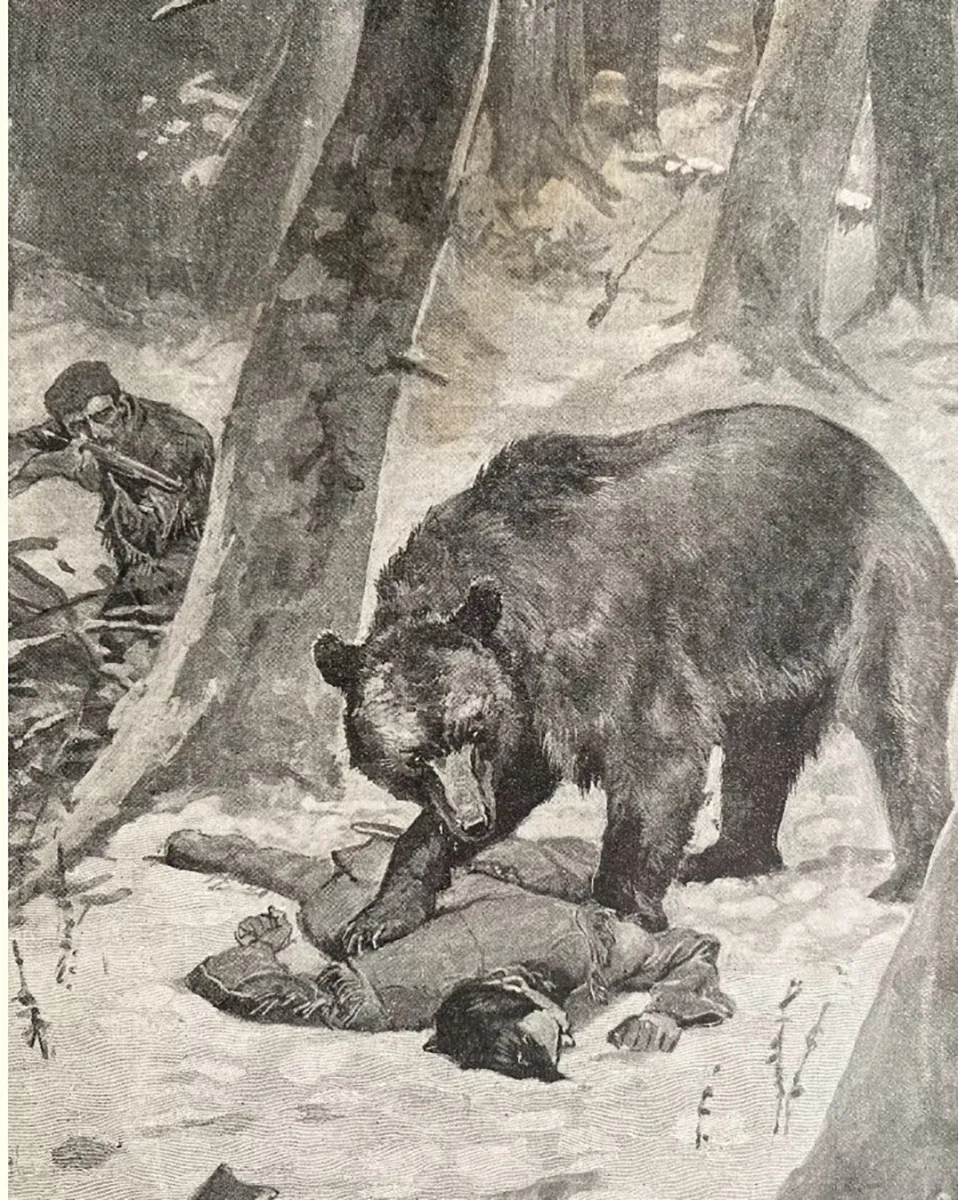
A volume might be compiled on the daring and successful exploits of noted hunters who followed the chase in those days, and before whose deadly rifles, herds of elk and deer, gangs of wolves, and numerous grisly bears fell in Madison forest. Of the most celebrated forest champions, the noted John La Mont shone most conspicuous. Before his unerring rifle the terror stricken animals, of not only Madison but of the then one far extended grove around, either fled or fell when his hunting uniform was seen in the dense forest. Of the numerous wolves that were slaughtered in Madison, many amusing anecdotes might be related, and many narrow escapes from the jaws of these ferocious animals, which in these short sketches, we shall omit. Suffice to say that these animals were numerous in Madison, issuing at evening in numerous bands from the evergreen pinery in the northwestern part of Madison, sounding in concert. Their long howls mingled with a series of shorter shrill notes of the whole choir as they prowled through the forest eastward between the North Ridge and the Lake, answered by single howling in different directions, until meeting in Geneva with cautious bands from Saybrook, when the most dismal howlings in a general concert were continued until day. When, to the sounds of their own music for these nocturnal meetings, the parties dispersed and marched to their own quarters.
Elk were found in Madison in numerous droves. Many were slain for their hides, tallow, and beif, which was considered good. In December, 1811, Mr. James Miller, his father, Elijiah Hanks, Jr., and John Hanks started off to the Lake for elk. On arriving within about 6 rods of the shore, two large elk were discovered on the bank. The dogs were let loose, and the elk ran into the Lake. The men and dogs followed about 1 ½ miles over cakes of ice. When one elk fell in between cakes of ice, he was unable to climb out again. A rope was cast over his horns, and he drew up on the ice, when he plunged at the men. They let him into the water and drawing his head upon the ice, they knocked his brains out with an axe. While dressing this elk, it was found the ice was floating away, which caused the men to drag the elk on in haste. The next morning the shore was clear of ice. The flesh of this elk is said to have weighed 750 lbs. If so, it was an enormous great elk.
From Asa Turney
When we arrived at our place of destination, our trials were not all over; we had left a land of plenty (a plenty of hills and ledges of rocks, to say the least of it) with a numerous estate of friends and relatives, and had come to a country entirely new, with but few inhabitants except the wild animals that would prowl around our dwelling at midnight, which gave us much trouble to protect our flock and herds from being destroyed.
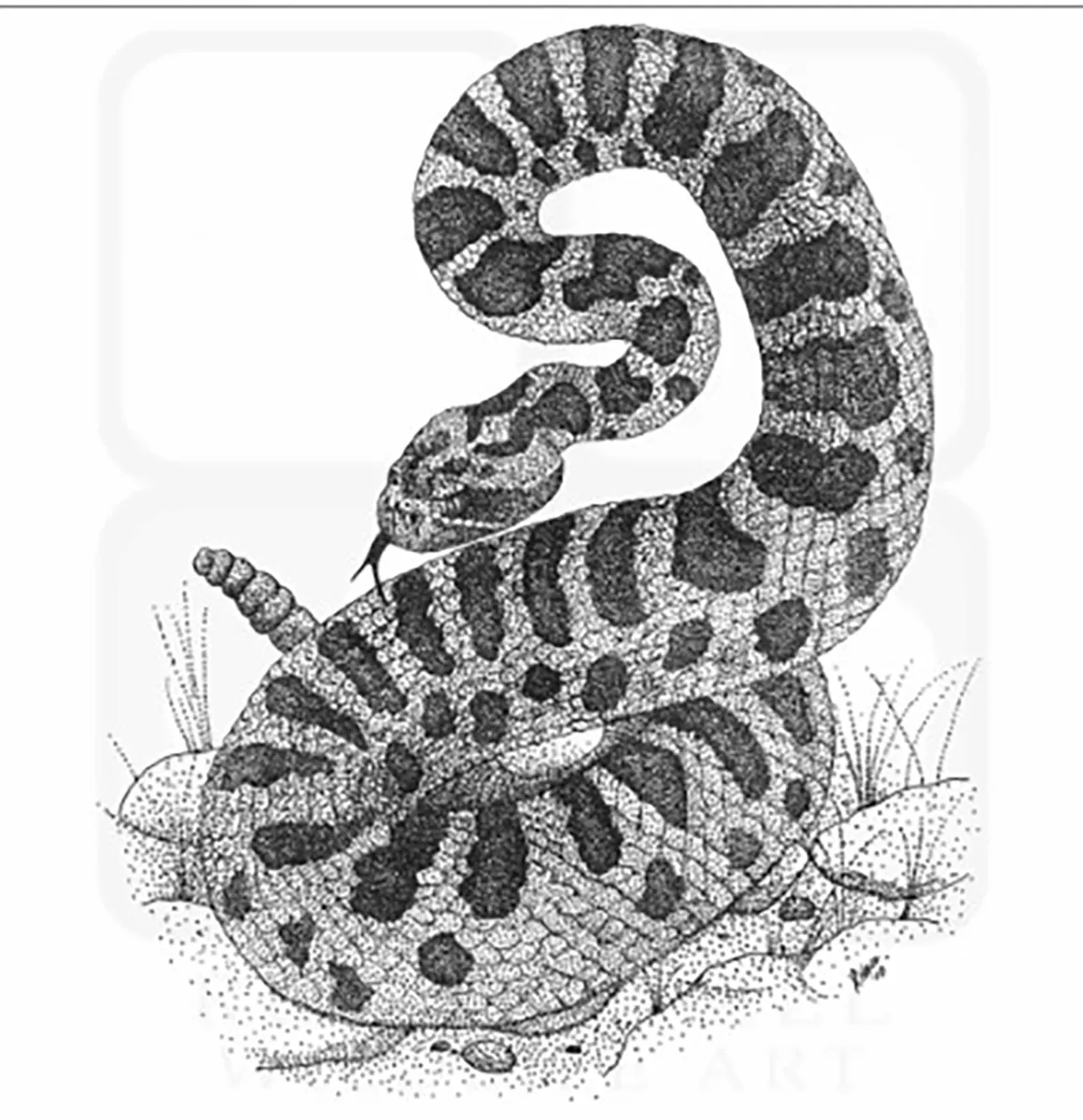
I am not great for telling snake stories, but will relate a few narrow escapes that happened during the first few years. The snakes were very thick, and their bite was generally fatal. Simeon Hill was bit by a rattle snake and died twenty four hours after he was bitten. Daniel was once crossing an old brush fence. In stepping over one log, as he was about to put his foot to the ground, he saw a large rattlesnake where he was about to place his foot. He made a spring over that, and the next step, he was about to place his foot on another, so he made the second leap, and cleared the other. David was out with his gun one day for the purpose of shooting squirrels about the corn field. He saw a squirrel in the top of a tree. He was under the tree, and had to shoot about straight up. He laid himself down on the ground, with his eye directed towards the squirrel in the top of the tree. Flintlock rifles were not made to shoot directly overhead, thus causing the misfire. When he got all ready, he pulled the trigger, and his gun being so straight up, the priming fell out and some of the powder fell into his eyes, and there was no explosion at this time. He looked down and was winking his eyes to get the powder out of them when he first saw the danger. There was a rattlesnake coiled up close to him, which he rolled over, rolled against the snake, and still the snake was quiet. If his gun had not misfired, probably the snake would then have aroused from his lethargy and would commenced attack on him for disturbing him in that way.
After we had been here for a year or two and had got a little stock, we were constantly annoyed by the wild animals. The bear would kill our hogs, and the wolves would kill our sheep. Sometimes, our hogs would make their escape from the barn and come home horribly mangled. One night, the wolves came into our barn yard that was but a few rods from the house and killed six sheep, then set up a tremendous howl to let us know who did the mischief, then went off. At another time, they came and killed three that were in a field close by the house. The boys youst to hunt considerable. One year they killed three bear and fifty raccoons.
From Electra Tappan:
Mrs. Levi Bartram came in 1811 from Ashford, Conn. Two years later her wedding tour was a four mile horseback ride through the woods to the home on the Middle Ridge, where the remainder of her life was spent. She and her husband were often awakened at night by the pigs squealing as wolves bit them through cracks in the pen; guard must be kept till morning, for the pig skins might be needed to pay taxes.
From Laura Mixer Whipple:
Mrs. Julius Mixer riding on horseback through the woods, as her horse was about to leap a large log, saw a bear preparing to leap from the other side. Horse and rider were terribly frightened; the horse wheeled and ran home. Some time passed before Mrs. Mixer could tell what had happened. The Honorable Samuel Huntington, who was Governor of the State from 1808 to 1810, resided at Painesville in the latter part of his life, and died there in 1817…. One evening, while traveling towards Cleveland from the east, he was attacked … by a pack of wolves, and such was their ferocity that he broke his umbrella to pieces in keeping them off, to which, and the fleetness of his horse, he owed the preservation of his life.
The early pioneers faced threats and dealt with experiences beyond our imagination. “Pioneer Sketches of Madison Township, Lake County, Ohio” gives us a broad look at everyday life in the early-to-mid 1800’s in the words of the people who lived it. It’s available (free) at usgenwebsites.org/OHLake/history/SketchesMadison.pdf, and well worth the time to read!

The Madison Historical Society is a 501(c)3 corporation, and most donations have tax advantages. You can support MHS through making a donation, shopping with Amazon Smile, a tax-free IRA Contribution, or a gift of Stock.
To make a General donation, Memorial donation, or Capital Fund Drive donation to the Madison Historical Society, please complete the form below and make a payment via PayPal using your credit card or PayPal account. If you prefer to send a check, please make it payable to Madison Historical Society and send to PO Box 515, Madison, OH 44057.
Volunteers created the Madison Historical Society in 1978, and have been essential to the success of our organization! We are always looking for people to help with a variety of activities that keep the society running smoothly. Why not share your enthusiasm, creativity, and talent with us?