

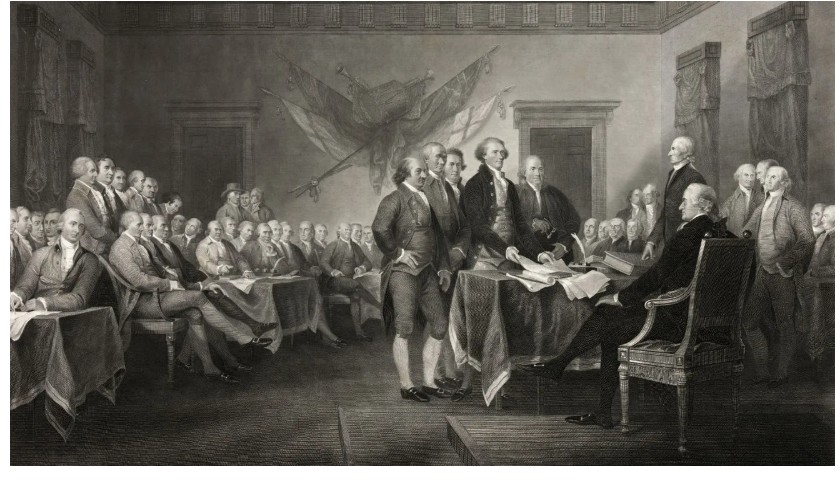
On July 4, 2026, the United States will celebrate its 250th Anniversary of the signing of the Declaration of Independence. There are a number of Veterans who served in the Revolutionary War and later moved to Madison. Madison Historical Society would like to recognize these Veterans of the War of Independence and give you a glimpse of the challenges some of them faced. We’re reliant on recordkeeping from the 1770’s and 1780’s, and for some, the records are sparse.
The Veterans, who either lived in Madison or are buried in Madison, are:
Alexander Harper Cemetery
John Emery, 1758-1831
Phineas Mixer Sr., 1756-1821
Nathan Warner, 1754-1829
County Line Road unmarked
Ora Evans, 1760-1845
Dock Road Cemetery
Elijah Ford, 1759-1832
Fairview Cemetery
Justin Cole, 1751-1829
Joseph Fuller, 1758-1846
Amasa Hill, 1763-1847
Abel Kimball, 1762-1841
Samuel Smead, 1749-1842
Joshua Sweet, 1764-1840
Middle Ridge Cemetery
Daniel Bartram, 1745-1817
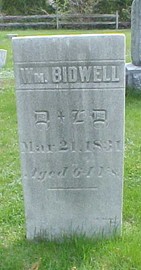
William Bidwell Sr., 1767-1831
William Branch, 1760-1849
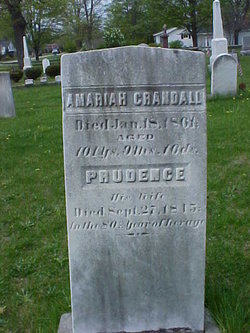
Amariah Crandall, 1759-1861
Andrew Ford, 1755-1837
Joseph Green, 1767-1853
Isaac Martin, 1757-1832
Asa Turney, 1759-1833
South Madison Cemetery
Joseph Emerson, 1754-1850
South Ridge Cemetery
Silas Antisdel, 1748-1817
Joseph Call, 1741-1825
Elijah Hanks, 1761-1839
Jesse Ladd, 1732-1816
Most men who served in the Continental Army were between the ages of 15 and 30. Those who served in the Army were merchants, mechanics, and farmers. By 1780, close to 30,000 men served in the Continental Army. Additionally, each state raised Militia units. The British government established state Militias after the French and Indian War to reduce the need for expensive regular soldiers in the colonies. All military-aged males, aged 16 to 45, were required to serve in the Militia and maintain the necessary arms and equipment for military service. Madison’s Revolutionary War veterans were a mix of both state Militia and Continental Army men. The youngest Madison veteran was Joseph Green. He enlisted at age 12 from Northumberland County, PA, in August 1779, to serve three months at Fort Brady in Muncy. He served with several scouting parties, as both Tories and Indians friendly to the British were prevalent in that area. In 1782 he enlisted again, this time in a company of Rangers, serving at both Forts Minegan and Borley/Bosley in the Susquehanna Valley to protect frontier settlers. Abel Kimball is also noteworthy as serving at a very young age. Born in 1762, he was listed as a Sergeant among the men who marched on April 19, 1775, to Cambridge MA, for the beginning of the Revolutionary War. By 1776, he had been promoted to Lieutenant in Command of a detachment in New Hampshire.
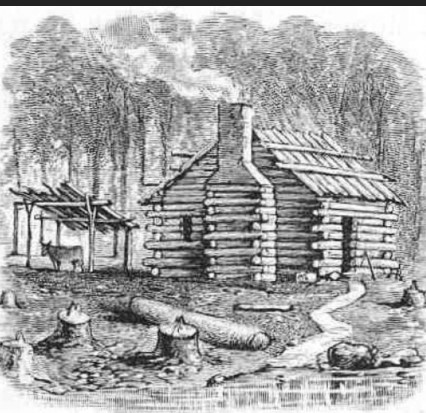
Madison’s oldest vet when the Revolutionary War began was Joseph Call, who resided in Perry. He began his service in 1777, at the age of thirty-six. Call served as a Private in the Vermont Line, and served primarily in Vermont through the duration of the war. The next oldest veteran was Daniel Bartram of Middle Ridge Road in Madison. Born in Connecticut in 1745, Bartram first served in 1777 when he enlisted as a Private in the Connecticut Militia at age 32. The Connecticut Militia played a crucial role in the Revolution, and nearly one-fifth of the state’s men served in the Militia. Bartram served in Colonel Ezra Starr’s 3 rd Regiment of the Light Horse for the defense of the sea coast. He also marched to the defense of Danbury, leaving behind a prosperous leather tanning business with a number of hides ‘in-process.’ His wife Ann was said to have left her children, grabbed her horse, sped to the mill and worked it to keep the hides from spoiling. Long after the war, at age 64, he and Ann moved to Madison, where two of their thirteen children had found property on Middle Ridge Road. They spent their first bitter winter here in a 10 x 12 shanty.
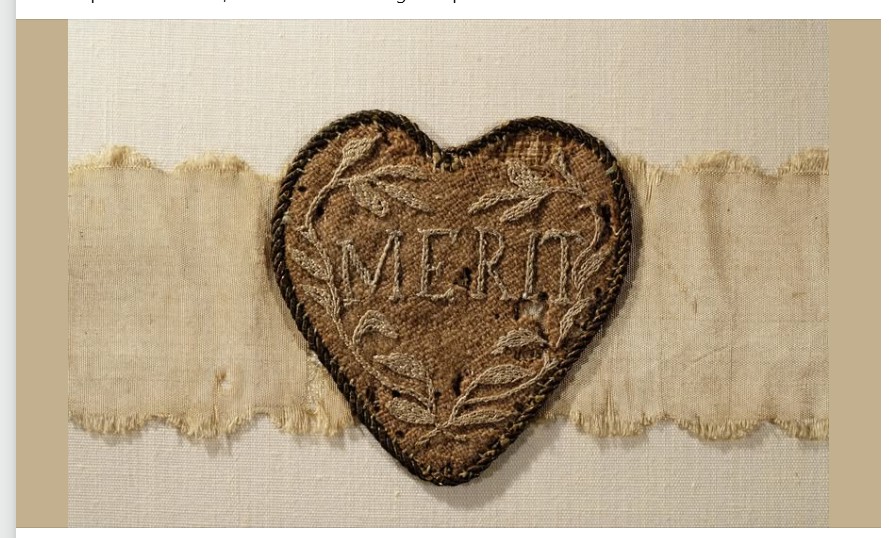
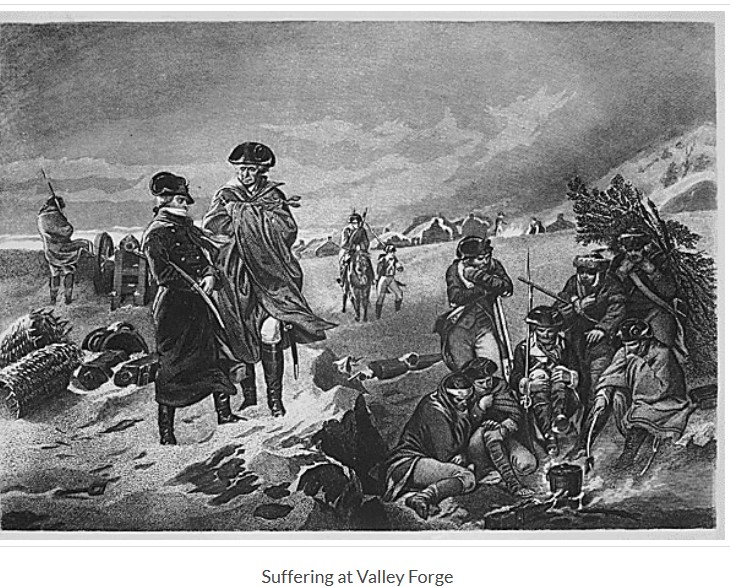
Before 1777, enlistment in the Continental Army was generally for a year of service. After 1778, Congress changed the rules and men served for either three years or the duration of the war. Length of service in a State Militia was typically restricted to short periods, often 30 to 90 days. DAR (Daughters of the American Revolution) records indicate several of the Veterans buried in Madison served for the full eight years of the war. Those men that we know of are Asa Turney, Joseph Fuller, and William Branch. Thanks to the DAR, we have a robust amount of information about the service of William Branch. Born in Connecticut in 1760, he enlisted at age 16 and stationed at a fort in Connecticut. In early 1777 he was slated to transfer to Rhode Island when his family objected, and he returned home. By April 1st he had re-enlisted, this time in General Washington’s army under Captain Jedediah Hyde. Branch was engaged in battles in Pennsylvania, New Jersey, New York, and Virginia. During the winter of 1777-1778, he was with Washington’s Army at Valley Forge and endured the extreme hardship and privation that winter. He was with Lieutenant Colonel Alexander’s command on the 500-mile march to and siege of Yorktown, and witnessed the surrender of Lord Cornwallis in October 1781. Branch was present at the trial and execution of Major Andre, Britian’s head of intelligence operations, and was one of three guards to take the body of Major Andre from the gallows. In July 1783 Branch was discharged from the Continental Army at West Point and was honored with a Badge of Merit for service to his country, presented by General George Washington.
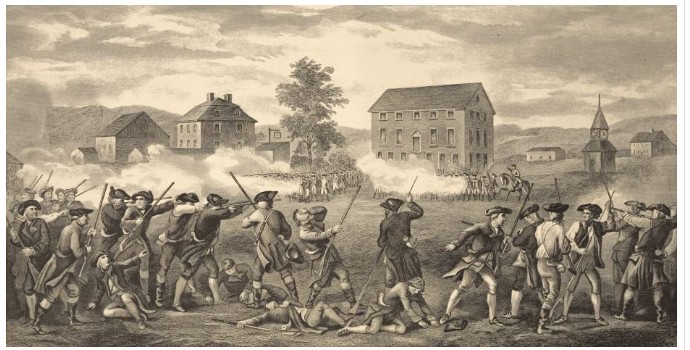
Some of Madison’s Revolutionary War veterans served in notable battles. We know Silas Antisdel, Andrew Ford, and Ora Evans served at Lexington in April 1775, which marked the beginning of the Revolutionary War. Andrew Ford was also at the Battle of Benningtonand helped cripple the British Supply lines, which eventually led to the American victory at Saratoga. It’s very likely Andrew Ford’s brother, Elijah, served in the same battles as Andrew. Joseph Emerson fought at Bunker Hill in June 1775. William Bidwell Sr. served in the defense of Roxbury, which was a strategic defense point to protect Boston. Daniel Bartram took part in the defense of Danbury, which was a critical Continental Army supply hub. Joseph Fuller was at the Battle of Bunker Hill, Battle of Trenton, Battle of Princeton, and the Battle of Saratoga, among others.
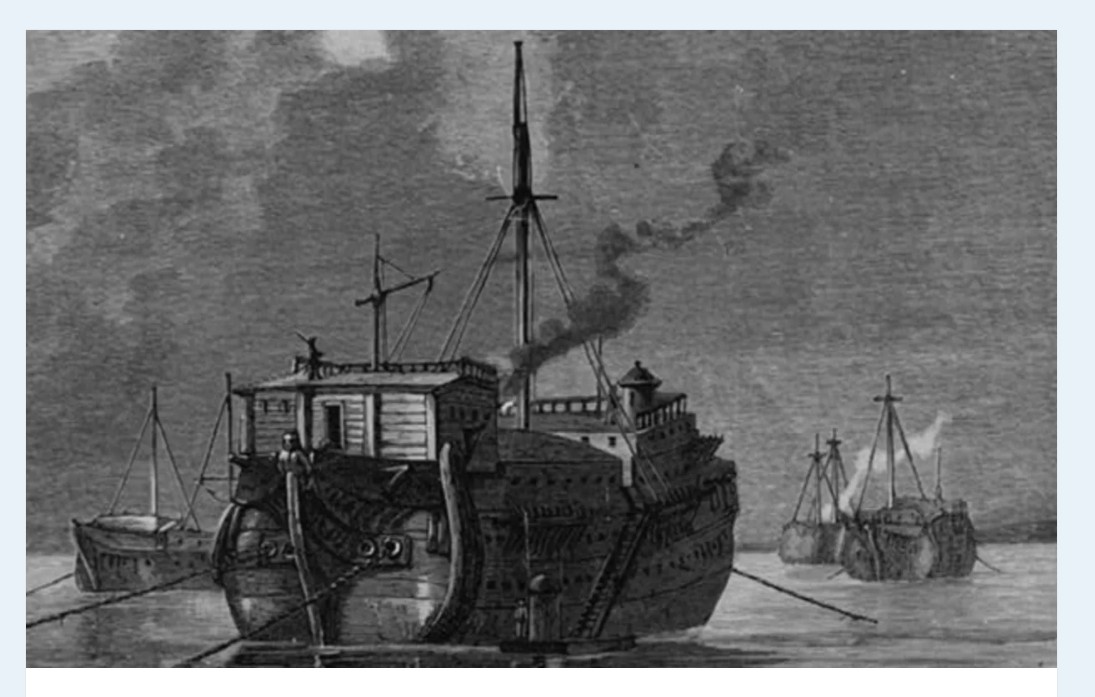
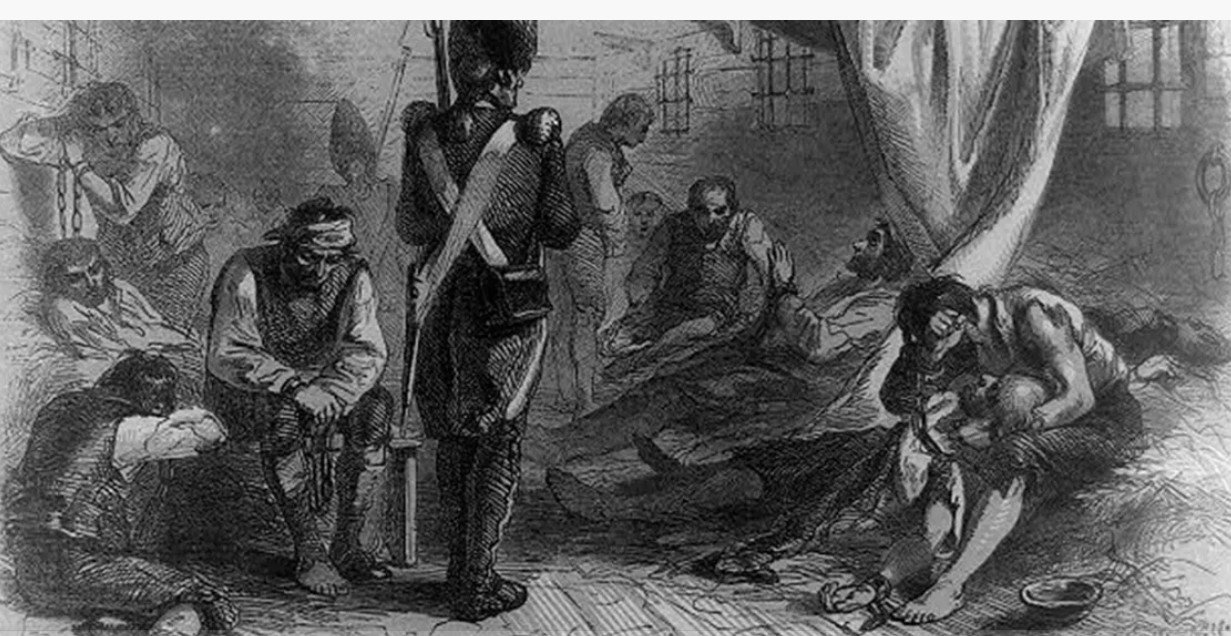
Americans captured in battle by the British were held in larger cities that the British were able to occupy, like New York City, Philadelphia, and Charleston. Warehouses, churches, and larger public buildings served as the first POW prisons, and as those filled to overflowing, the British turned to obsolete, captured, or damaged ships as prisons. Conditions on the ships were appalling, and it was said that many more Americans died of neglect on prison ships than were killed in battle. During the war, at least 16 prison ships were placed by British authorities in the bay off the shores of Brooklyn, New York, for thousands of American soldiers and sailors from about 1776 to about 1783. Madison’s Amariah Crandall, an enlisted soldier from Rhode Island, was taken prisoner in the summer of 1780 and held on the British prison ship Halifax. It was on that ship that Crandall caught smallpox, which luckily, he survived. It is estimated that between 10,000 – 11,000 POW’s died on the ships while in British captivity.
The Revolutionary War was won by thousands of ordinary soldiers. The generals who led them were celebrated as heroes, but ordinary soldiers were rarely honored in the first decades after the war’s end. Congress made promises to them—of land grants, bounties, and routine pay—that it was very slow to fulfill, if it fulfilled them at all. Revolutionary War veterans resumed their civilian lives with no help from the government they had fought to create. Many struggled. Most men returned home with little more than a worn-out uniform and a signed paper discharge. Since the government lacked funds to pay the soldiers at the time of their discharge, most returned home with uncertainties about the future. We don’t know for sure why the Veterans and their families chose to go west to Ohio. A fresh start, an exciting opportunity, acres and acres of land available – led many of them to come to a wild, barely (if at all) settled area in Madison.
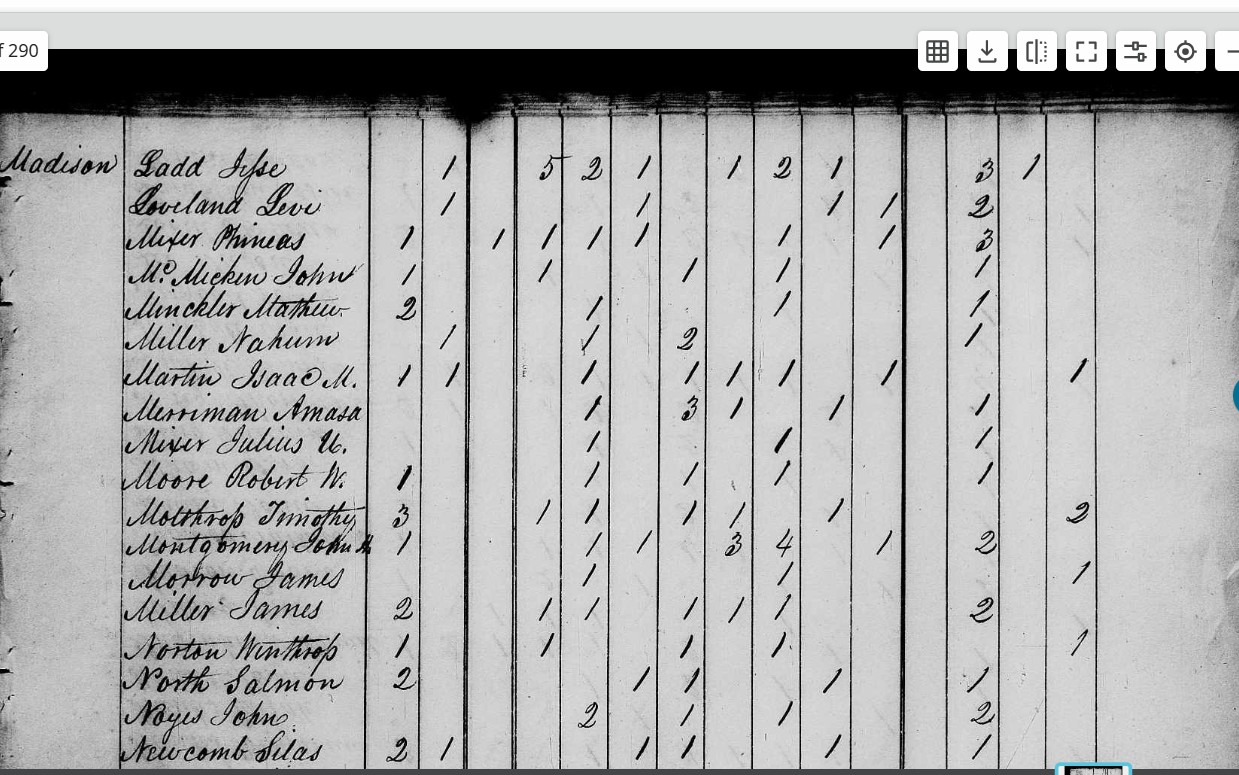
One of the earliest Revolutionary War Vets to come to Madison was Phineas Mixer from Norwich, Massachusetts. He and his family settled on 600 acres on Lake Erie near Cunningham’s Creek January 24, 1805. They were the third permanent settlers in Madison. Prior to their arrival in Ohio, Mixer arranged for the construction of a house, but it was only partially completed when they arrived. There was no roof, doors, or windows. It was January cold, with January snow, and the situation was certainly a trying one. Temporary shelters were constructed, and with the help of settlers in nearby Harpersfield , their cabin was soon completed.
Asa Turney and his family arrived in 1806, when Turney was 47 years old. It was a long journey, requiring 53 days to travel with a span of horses and a team of oxen. There were no roads or bridges, simply a wild kind of trail through the woods. The horses and oxen were made to swim the streams, the goods were put aboard such rude boats as could be found in those days, and a line attached to the wagons and drawn across by hand. Turney, his wife Polly, and six children ages 2 through 21, settled at the intersection of Bates and South Ridge roads. As with the Mixer family, the Turney family had to hastily prepare a shelter to stave off the wintry conditions.
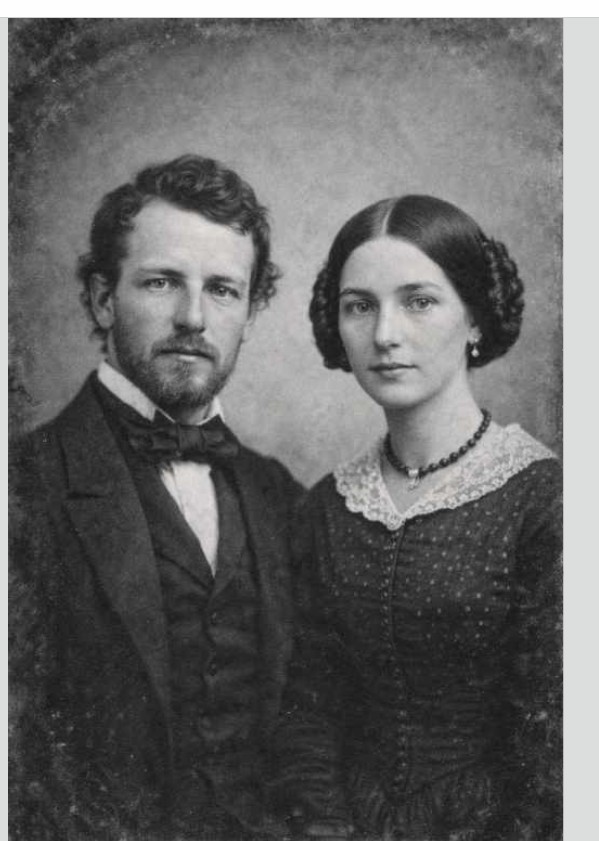
Elijah Hanks and his family first arrived in Madison in 1811 from Wellington Connecticut. On September 9th, the family left for Ohio, and arrived in Madison October 3rd . They immediately began building a log home on what is now South Ridge Road, moving in on November 8th. The following year, the family built a larger, more spacious home, and Elijah Hanks and his family made their log home available to shelter other newcomers to the area until their new homes were ready for occupancy. Aged 50 upon his arrival, Elijah, his wife Mary, and their six adult children bought nearly 600 acres to begin clearing the land and establish their family farm.
We’re fortunate to have men who fought to create the United States of America as some of the same men who helped build Madison. Here they were farmers, tradesmen, and innkeepers, and helped build the infrastructure to help Madison grow. Madison Historical Society is grateful to have had the help of publications from the New Connecticut Chapter of the Daughters of the American Revolution, as well as biography files in our possession, online genealogy files, and local cemetery records to help us share their story. If we’ve omitted any names, or if you have additional information about our Vets, we’d appreciate your sharing that information with us.

The Madison Historical Society is a 501(c)3 corporation, and most donations have tax advantages. You can support MHS through making a donation, shopping with Amazon Smile, a tax-free IRA Contribution, or a gift of Stock.
To make a General donation, Memorial donation, or Capital Fund Drive donation to the Madison Historical Society, please complete the form below and make a payment via PayPal using your credit card or PayPal account. If you prefer to send a check, please make it payable to Madison Historical Society and send to PO Box 515, Madison, OH 44057.
Volunteers created the Madison Historical Society in 1978, and have been essential to the success of our organization! We are always looking for people to help with a variety of activities that keep the society running smoothly. Why not share your enthusiasm, creativity, and talent with us?